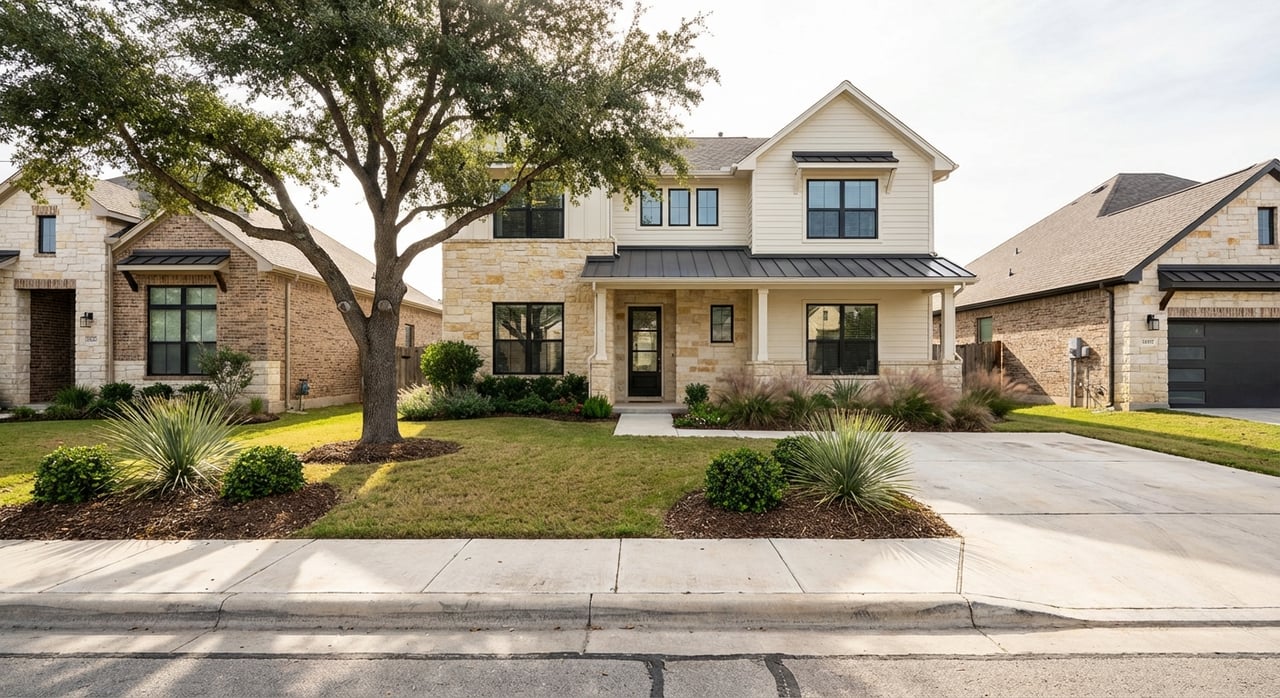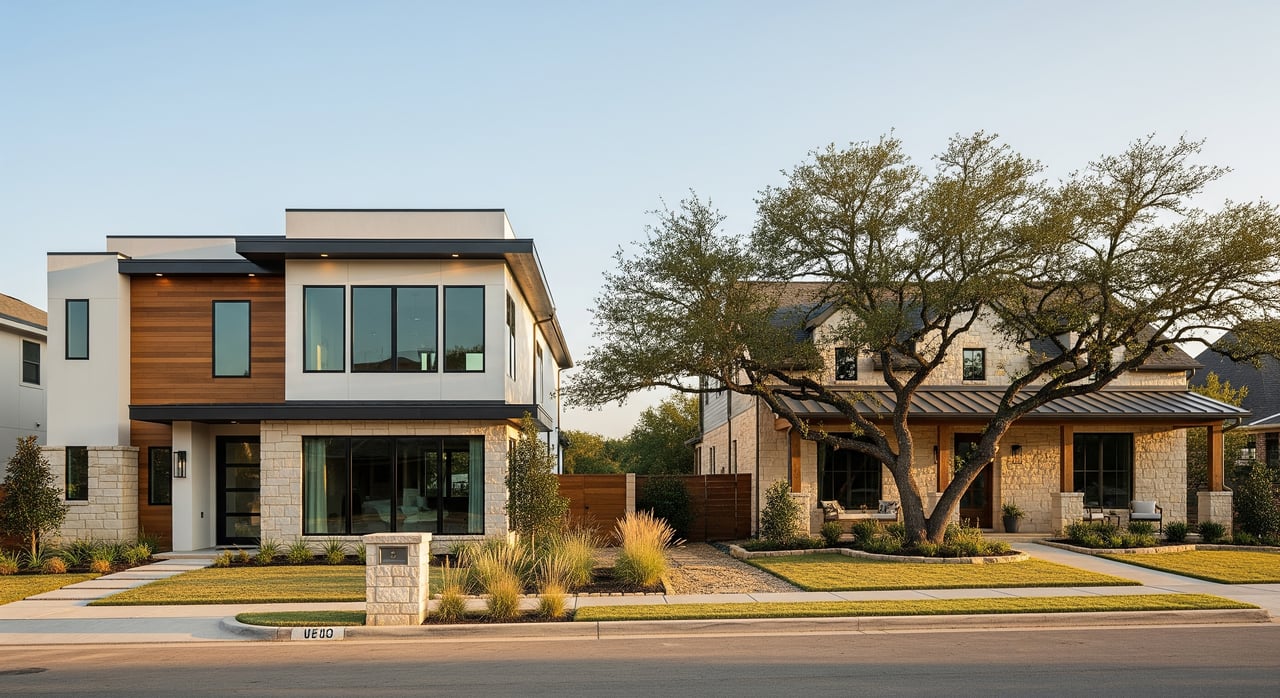
Thinking about a shiny new build or a charming resale in Cedar Park, but not sure which path fits you best? You’re not alone. Families here often weigh customization and energy savings against move-in speed, yard size, and budget certainty. In this guide, you’ll compare both routes side by side, learn where costs and timelines can surprise you, and get a simple checklist to make a confident choice. Let’s dive in.
New construction vs. resale at a glance
- New construction: modern layouts, energy codes, and the chance to personalize finishes, but often longer timelines and builder-specific contracts.
- Resale: faster closings, established neighborhoods, mature landscaping, and clearer comps, but potential for immediate maintenance.
- In Cedar Park, verify HOA rules, whether a property sits in a Municipal Utility District, and how those factors affect your monthly costs and long-term plans.
Build quality and warranties
New construction quality
New homes are built to current building and energy codes, which usually means better insulation, tighter sealing, and efficient HVAC. You’ll see open floor plans, integrated tech wiring, and options like tankless water heaters. Quality can vary across production and custom builders, and many interior upgrades add cost beyond the base price.
Resale condition
Resale quality depends on age, maintenance, and the original builder. Older homes may offer thicker trim, larger lots, and mature trees. You may also face near-term expenses for items like the roof, HVAC, plumbing, or electrical depending on inspection findings.
Warranty differences
- New construction commonly includes a 1-year workmanship/materials warranty, 2-year systems coverage, and a 10-year structural warranty, sometimes via third-party providers. Always verify the exact terms and claims process in the contract.
- Resale homes typically do not include a builder warranty. Some sellers provide a third-party home warranty at closing, usually one year, but coverage is more limited than a new-home warranty.
HOAs, CCRs, and MUDs
Many new Cedar Park communities come with mandatory HOAs that oversee design guidelines and amenities. Early on, the developer may control the HOA, which limits your influence until turnover. Dues, amenity fees, and any special assessments should be reviewed before you sign.
Confirm whether the property is in a MUD. If it is, you will see a separate line item on the property tax bill for MUD debt service. This can materially affect your total tax burden. Request HOA documents, current budgets, and any MUD information up front so you understand your total monthly outlay.
Lot sizes and location tradeoffs
New subdivisions often optimize density, so lots may be smaller with tighter side setbacks. Established neighborhoods in Cedar Park can offer larger yards and mature landscaping, which many families value for play space and privacy. Consider commute routes, access to amenities, and your preferred school attendance zone. Always verify school zones with the district for the specific address at the time of contract.
Timelines and move-in planning
- Quick move-in new builds: If you purchase a completed spec home, the process can run 30 to 60 days once financing and inspections are finished.
- Build-to-order: Expect several months to 9 to 12-plus months, depending on permitting, weather, materials, and builder backlog. Delays are possible, so plan for buffers.
- Resale: Typically 30 to 45 days if title, repairs, and financing are straightforward. You can negotiate possession timing to align with your plans.
Builder contracts usually include provisions around delays and completion windows. Review the timeline language closely so your move, lease, and rate-lock plans stay on track.
Price, incentives, and financing
New construction often lists at a premium for brand-new systems and modern finishes. Lot premiums for corner or oversized lots can add to the price. Resales reflect local comparable sales, and you may find more room to negotiate when condition or timing favors you.
Builder incentives are common and may include closing cost credits, rate buydowns, or upgrade packages. If incentives depend on a preferred lender, compare the full cost over time with an outside lender. The lowest upfront payment does not always equal the best long-term value.
If you are building from scratch, you may need construction-to-permanent financing. For quick move-in new homes and resales, a standard mortgage is typical. Pay attention to required qualifications, rate-lock periods, and any prepayment penalties.
Inspections and acceptance
- New construction: Plan independent inspections even if the builder provides a walkthrough. If allowed, schedule a pre-drywall inspection and a final inspection. Document punch list items in writing and understand the post-closing warranty request process.
- Resale: Use the inspection contingency to complete a full home inspection plus trade-specific follow-ups as needed. Repairs are negotiated before closing.
Align inspection timing with your contract rights so you keep leverage and avoid disputes over workmanship or owner-caused damage after move-in.
Energy efficiency and utilities
New homes must meet current energy codes, which can lower operating costs through better insulation, air sealing, and HVAC efficiency. Some builders offer optional energy packages or certifications. Weigh the upfront cost of upgrades against expected savings.
Verify whether the home is served by City of Cedar Park utilities or a MUD. Ask about any connection or impact fees and when meters are set, since those steps can affect both timeline and cash due at closing.
Resale value and marketability
Long-term value in Cedar Park hinges on location, floor plan functionality, lot size, and finish quality. New homes may see initial price pressure if many nearby lots are still being released. Over time, modern layouts and efficiency can boost appeal. Resales with upgraded kitchens or baths and mature landscaping often perform well with family buyers.
Builder contracts: where advocacy matters
Builders often use their own contracts with terms different from standard Texas forms. An experienced agent can help you scrutinize:
- Base price vs. upgrades, lot premiums, and how change orders are priced.
- Earnest money, refund conditions, and default provisions.
- Your inspection rights, punch list process, and dispute resolution.
- Completion dates, delay clauses, and any liquidated damages language.
- Incentive requirements if you choose a lender other than the preferred option.
- Warranty scope, claim timelines, and who pays during the warranty period.
- HOA transfer details, special assessments, and developer control periods.
- Arbitration, indemnity, and insurance requirements that affect your rights.
The right agent will also coordinate lender comparisons, schedule independent inspections at the proper phases, and help document warranty issues after closing.
Decision framework: choose with confidence
Consider your top priorities along four dimensions:
- Timeline: Do you need 30 to 60 days, or can you comfortably plan for 6 to 12-plus months?
- Customization: Do you want to choose finishes and floor plan features, or would a well-kept resale meet your needs now?
- Budget predictability: Are you comfortable with upgrades and lot premiums, or do you prefer the price certainty of a resale with clear comps?
- Lot and location: Do you prioritize a larger yard and established setting, or prefer a new amenity center and fresh streetscapes?
Quick buyer checklist
Use this list before you sign anything:
- Timeline: Do you need a quick move-in, or can you wait for a build-to-order?
- Schools: Confirm attendance zones for the exact address with the school district.
- Taxes and MUDs: Ask whether the property is in a MUD. Request an estimated tax bill including any MUD debt service.
- HOA and CCRs: Review covenants, bylaws, current dues, budgets, and developer control status.
- Warranty: Get warranty documents in writing, including coverage periods and claim procedures.
- Utilities and fees: Clarify utility providers, connection timing, and any impact fees.
- Inspections: Confirm whether independent inspections are permitted and at which phases.
- Financing: If using builder incentives, get a written cost comparison against an outside lender.
- Lot specifics: Verify orientation, drainage, easements, setbacks, and proximity to roads or retention ponds.
- Builder track record: Ask for recent local projects, references, and warranty claim history.
Local steps and who to ask
- City of Cedar Park Development Services: Confirm permits, plat maps, and utility providers for a specific lot.
- Williamson County Appraisal District: Review tax rates and confirm MUD status.
- Leander ISD and Round Rock ISD: Verify school attendance zones for the exact address at contract time.
- Texas Real Estate Commission and Texas Association of REALTORS: Understand standard processes and buyer protections in Texas.
- Your lender and disclosures: Compare builder-preferred options against independent lenders for total cost over time.
Ready to compare specific homes or builder contracts? Our team combines negotiation strength and legal know-how with Compass technology to support both local and remote buyers. We can review builder terms early, run cost comparisons on incentives, coordinate inspections, and manage virtual tours or closings if you are out of state.
If you want a clear, low-stress path in Cedar Park, let’s talk. Book a Free Strategy Call with Karin Howard and get a plan tailored to your timeline, budget, and wish list.
FAQs
What should Cedar Park buyers know about MUD taxes?
- A Municipal Utility District, if applicable, appears as a separate line on your property tax bill for debt service. Confirm MUD status and estimated taxes before you commit, because it affects your monthly housing cost.
How long does a new build take versus a resale?
- A quick-move-in spec can close in 30 to 60 days, while a build-to-order often takes several months to 9 to 12-plus months depending on permits, weather, and materials. Resales usually close in 30 to 45 days.
Can I use my own lender if a builder offers incentives?
- Often yes, but some incentives depend on using the builder’s preferred lender. Get a written comparison that includes interest rate, points, credits, and total cost over time before deciding.
Do I still need inspections on a brand-new home?
- Yes. Independent inspections help identify issues before closing and document items for the builder’s punch list and warranty. If allowed, schedule pre-drywall and final inspections.
What drives long-term resale value more: age or location?
- Location, functional floor plans, lot size, and quality of finishes typically matter most. Newer energy-efficient systems help, but proximity to amenities and a practical layout tend to drive demand.