Thinking about buying an older home in Allandale? You are not alone. Many buyers love the area’s established feel and mid-century character, but it is normal to wonder what comes with purchasing a home that may date back decades. The good news is that confidence does not come from guessing. It comes from understanding the home’s era, update history, and contract timeline before you commit. Let’s dive in.
Why Allandale Homes Feel Different
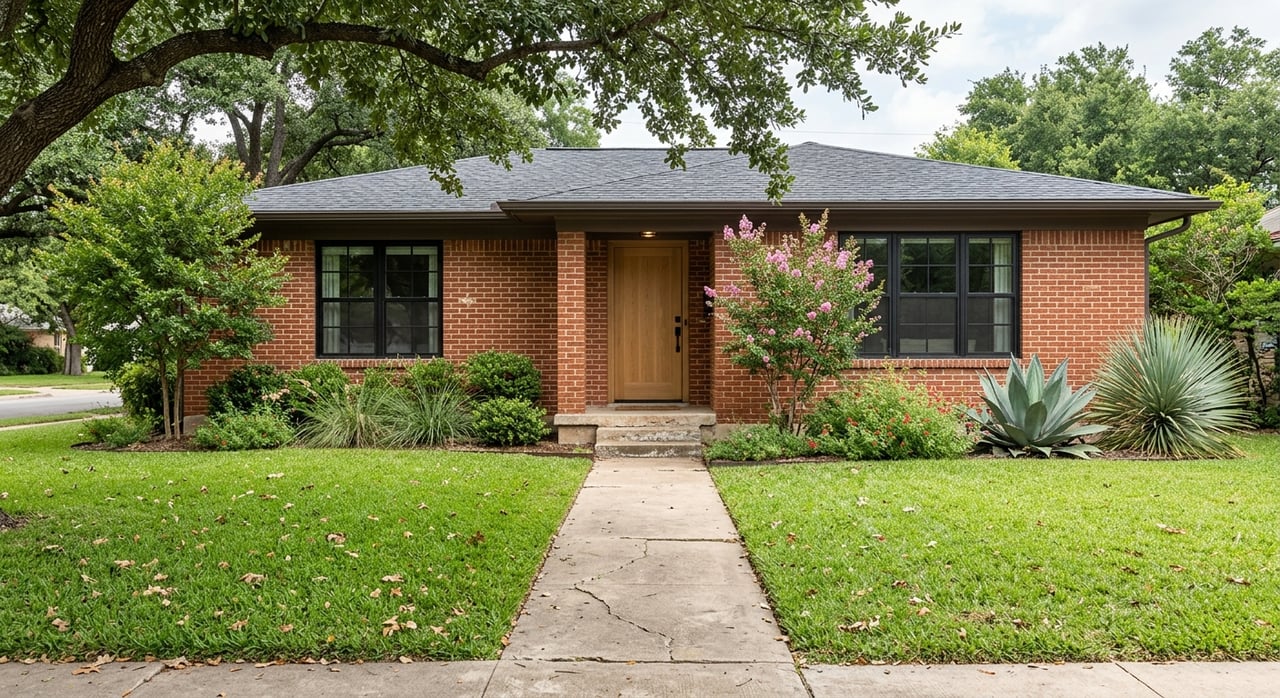
Allandale’s earliest sections were platted in 1946, with Allandale Oaks following in 1951 and Allandale West in 1958. That means many homes in the area come from the postwar period, not from recent construction cycles. When you shop here, you are often looking at a neighborhood shaped by ranch-style slab-on-grade homes, with some mid-century modern pockets east of Shoal Creek and south of Greenlawn Parkway.
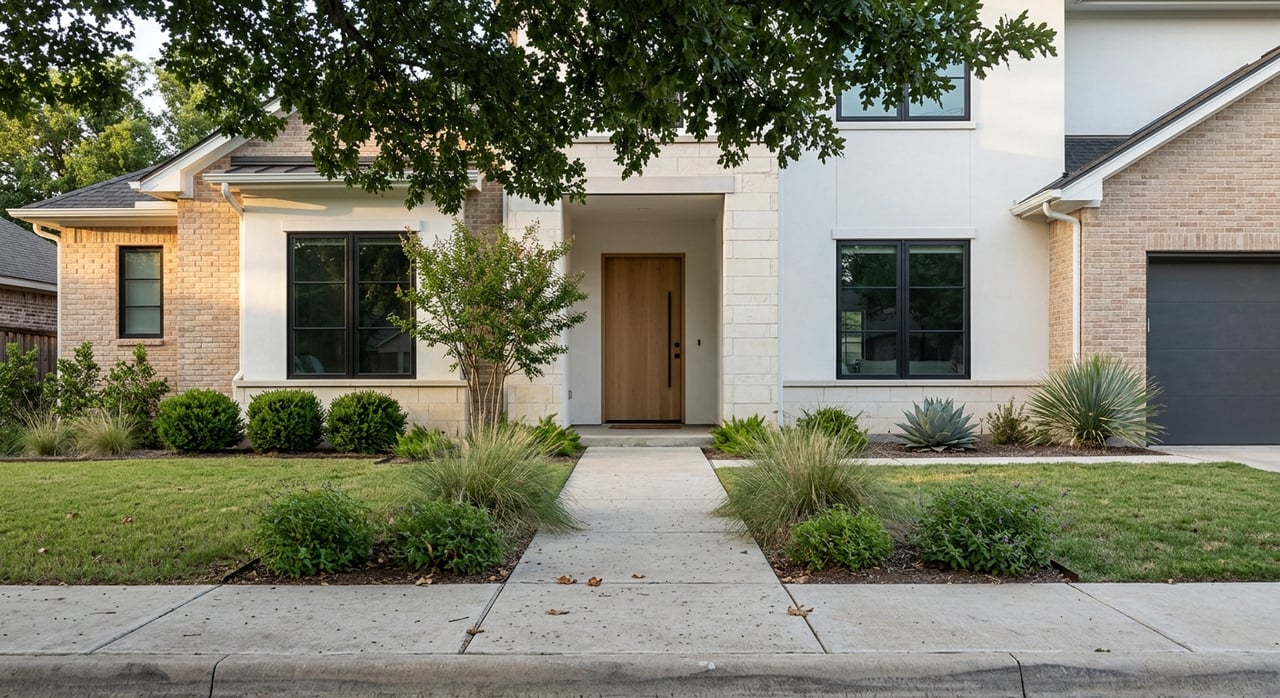
That history explains a lot about what you will see during showings. Many older Allandale homes have compact, functional layouts, lower-pitched roofs, restrained exterior detailing, and more open interior flow than buyers sometimes expect from a house of that age. Some homes remain close to their original design, while others have been renovated over time or replaced with newer construction.
One especially interesting part of Allandale’s story is the 1953 Air-Conditioned Village. These homes were designed with central air and features intended to support efficient operation, including ventilated attics, kitchens, and bathrooms, plus window placement planned to reduce strong sun exposure. For today’s buyer, that background helps explain why some homes have a distinctly mid-century layout and why later improvements often focus on comfort and energy performance.
What Older-Home Confidence Really Means
Buying with confidence does not mean expecting a perfect house. In Allandale, it usually means knowing how to separate charm from condition and character from deferred maintenance. Older homes can offer appealing design and established surroundings, but they reward buyers who ask careful, practical questions.
A confident buyer usually focuses on three things:
- The home’s original era and design
- The record of updates and repairs
- The timing built into the contract for review
When those three pieces are clear, an older home becomes much easier to evaluate. Instead of reacting emotionally to cosmetic details, you can focus on how the property has been maintained and what work may still be ahead.
Expect a Mix of Original and Updated Features
In Allandale, older homes often fall into two broad categories. Some have already been substantially updated for comfort and efficiency. Others still reflect earlier systems, finishes, and construction patterns, even if they have had selective improvements over the years.
That mixed condition is common in postwar housing. Austin’s historic-resources material notes that many homes from this era were modified later, which fits what buyers often see in established neighborhoods like Allandale. A single home may have original layout elements alongside newer windows, updated HVAC equipment, renovated kitchens, or partial mechanical work completed at different times.
This is why documentation matters so much. A beautiful renovation can absolutely add value and livability, but it helps to know what was changed, when it was changed, and whether the work was done through the right channels.
Upgrades Buyers Should Watch Closely
When you tour an older Allandale home, some upgrade areas deserve extra attention because they often affect both comfort and long-term costs. Austin Energy’s ECAD program highlights many of the items that commonly matter in older homes, including HVAC efficiency, attic insulation, home-envelope and duct performance, windows, water-efficiency measures, and solar screens or other window shading.
These are not just technical details. They shape how the home feels day to day. A house with strong natural light and original style can still need meaningful work to improve temperature control, efficiency, and overall function.
As you evaluate a property, it can help to think in terms of practical systems rather than just finishes. Fresh paint and attractive staging are easy to notice, but the more important questions often involve how the house performs.
Key areas to review
- HVAC system condition and efficiency
- Attic insulation
- Duct performance
- Window upgrades or original windows
- Water-efficiency improvements
- Solar screens or shading features
If a home has already addressed several of these items, that may support a smoother move-in experience. If not, it does not automatically make the house a poor choice. It simply means you should budget and plan with open eyes.
Understand ECAD Before You Buy
In Austin city limits, homes that are 10 years old or older within the Austin Energy service area may require an ECAD audit before sale. Sellers are expected to provide the audit details before the end of the option period, or at contract signing if there is no option period.
For buyers considering an older Allandale home, this matters because the ECAD timeline connects directly to your decision window. It is not just another document in the file. It can provide useful information about efficiency-related conditions and improvement opportunities while you still have time to evaluate the deal.
This is one reason a thoughtful contract strategy matters so much in older Austin neighborhoods. The timing of your option period can affect not only inspections and repair discussions, but also when you receive key energy-audit information.
Permits Matter More Than Many Buyers Realize
When an older home has been remodeled, the quality of the finish is only part of the story. The City of Austin advises homeowners to think in terms of permit categories, not just broad project labels like “remodel” or “update.” Depending on the work, residential building permits may be required, along with separate building, mechanical, electrical, and plumbing permits and inspections.
That matters because significant upgrades often involve more than one system. If a seller says a home was “fully redone,” you will want to understand what that actually included. Cosmetic improvements are one thing. Work involving electrical, plumbing, HVAC, additions, or structural changes is another.
There is also an important ownership issue many buyers do not expect. The City of Austin notes that property owners remain responsible for expired permits tied to the property, even if those permits were issued before they owned the home. That makes permit review especially relevant when you are buying a house with a long update history.
Smart permit questions to ask
- What major work has been completed on the home?
- Were permits pulled for that work when required?
- Were inspections completed and closed out?
- Are there any expired permits tied to the property?
These questions are not about creating fear. They are about replacing uncertainty with facts.
Why the Texas Option Period Is So Important
In Texas, there is no automatic three-day or 72-hour cooling-off period after a seller accepts an offer. Any right to back out comes from the contract itself. For buyers, that makes the option period one of the most important tools in the transaction.
The termination option is a negotiable contract term. If you pay the agreed option fee, you receive the unrestricted right to terminate for any reason during the negotiated option period. TREC notes that buyers commonly use this time to complete inspections and then either negotiate repairs through an amendment or terminate the contract.
For an older Allandale home, this period often does the heavy lifting. It gives you time to review the property’s condition, understand update history, assess documents, and decide whether the home still makes sense at the agreed price and terms.
Matching the Option Period to the House
Not every older home needs the same level of review. A house that has been extensively updated with clear records may feel more straightforward than one with a patchwork of older systems and scattered improvements. Because the option period is negotiable, buyers can tailor it to the situation.
If you want more time to inspect and review an older property, you can ask for a longer option period. If you are trying to stay competitive in a multiple-offer situation, you may decide on a shorter one. The key is understanding the tradeoff between speed and certainty.
In Allandale, that decision can be especially important because of the age and variety of the housing stock. The goal is not to slow things down for the sake of it. The goal is to give yourself enough time to make a smart, informed decision.
A Practical Way to Evaluate an Older Allandale Home
When emotions run high, simple structure helps. Instead of trying to judge a home all at once, break the decision into a few clear categories. That keeps you focused on what matters most.
A simple buyer checklist
- Identify the home’s approximate era and original design style
- Ask which major systems or features have been updated
- Review available records for remodels or larger projects
- Confirm whether major work appears to have been permitted when required
- Use the option period to gather inspections and supporting documents
- Review ECAD timing if the property falls within the Austin Energy requirements
- Decide what work you would want to handle after closing
This approach helps you compare homes more clearly. One property may offer more original character but require more near-term work. Another may feel less distinctive but offer more completed upgrades and fewer immediate projects.
Older Does Not Mean Risky
It is easy to assume that an older home is automatically a more dangerous choice. In reality, age alone does not tell you enough. A well-documented older home with thoughtful upgrades may feel far more predictable than a property with unclear recent work and limited records.
That is especially true in a neighborhood like Allandale, where the housing stock reflects a specific postwar era and many homes have evolved over time. If you understand the home’s design background, review its update history, and use your contract timeline wisely, you can make a decision from a position of clarity rather than stress.
The right older home can offer a strong mix of personality, practicality, and long-term enjoyment. The key is not to rush past the details that matter most.
If you are weighing an older home in Allandale and want calm, detail-focused guidance through inspections, contract timing, and next-step strategy, Karin Howard can help you move forward with confidence.
FAQs
What makes older Allandale homes unique?
- Many Allandale homes were built in the postwar period, with ranch-style slab-on-grade construction and some mid-century modern pockets. Buyers often see compact, functional layouts, simple forms, and a mix of original features and later updates.
What should buyers check first in an older Allandale home?
- Focus on the home’s era, major system updates, remodel history, and whether significant work was completed with the appropriate permits and inspections.
How does the Texas option period help when buying an older home?
- In Texas, the option period gives you the contractual right to terminate during the negotiated timeframe if you paid the agreed option fee. Buyers often use this period to inspect the property, review findings, and negotiate repairs or walk away.
Does an older Allandale home need an ECAD audit?
- Homes 10 years old or older in Austin city limits within the Austin Energy service area may require an ECAD audit before sale, and sellers are expected to provide the audit details before the end of the option period or at contract signing if there is no option period.
Why do permits matter when buying an older Austin home?
- The City of Austin may require permits and inspections for significant building, mechanical, electrical, and plumbing work. Buyers should also know that expired permits tied to the property can remain the responsibility of the owner.
Are older homes in Allandale always more expensive to maintain?
- Not necessarily. Maintenance and improvement costs depend more on the home’s condition, update history, and documentation than on age alone.