Looking at homes in Westover Hills can feel simple at first glance, but the details matter quickly. Two houses may have similar square footage and price points, yet offer very different daily living because of lot shape, tree coverage, layout, and renovation flexibility. If you want to understand what you are really buying in this established Northwest Austin area, this guide will help you spot the patterns that count. Let’s dive in.
Westover Hills at a Glance
Westover Hills is often referenced as part of the broader Northwest Hills area, and the neighborhood context is important when you start comparing homes. According to Northwest Austin Civic Association materials, this area is part of a civic association rather than a single neighborhood-wide HOA. In practice, that means rules can vary from property to property, with some homes not in an HOA at all and others subject to subdivision-specific restrictions.
That difference matters more than many buyers expect. If you are thinking about exterior updates, an addition, or even simple changes to the front yard, you will want to look beyond the neighborhood name and review the specific property details.
Common Home Styles in Westover Hills
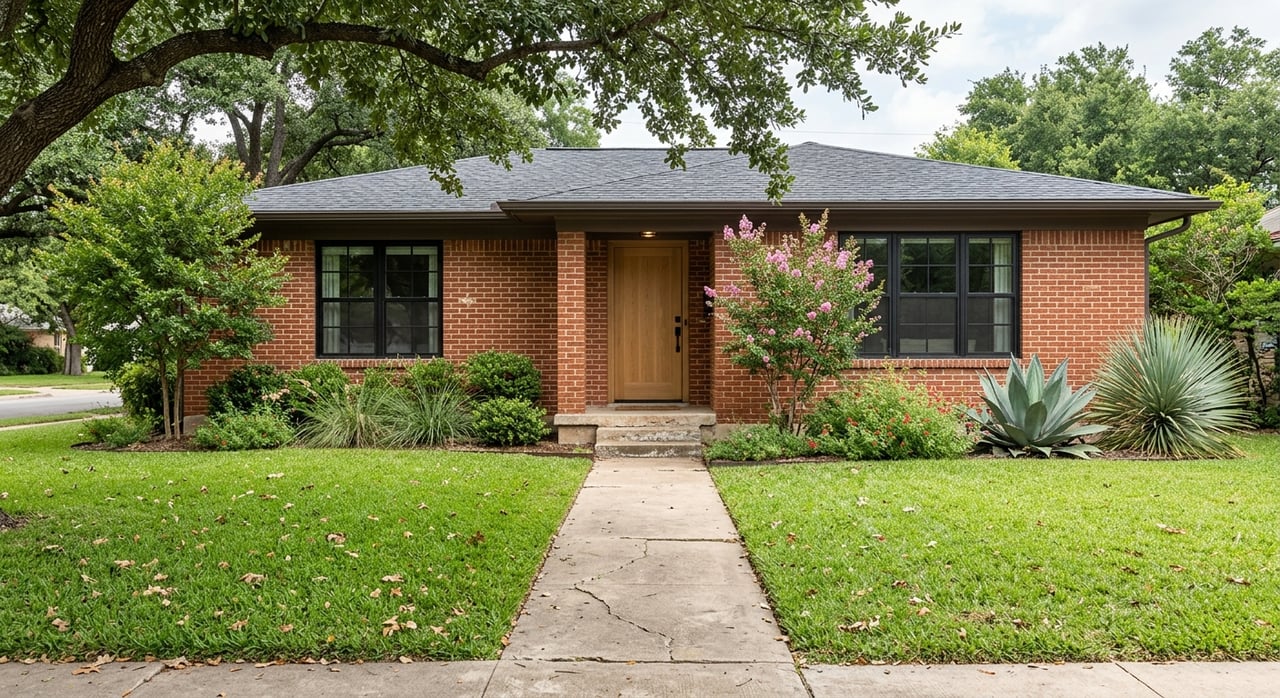
Westover Hills has a clear architectural backbone. Recent listing examples point to a housing core built in the late 1960s and early 1970s, with many homes reflecting mid-century ranch design and later updates.
For you as a buyer, that usually means you are not choosing between brand-new construction types. You are more often comparing original homes, partially updated homes, and fully remodeled homes that all began with similar bones.
Mid-century ranch homes
Mid-century ranch homes are a defining part of the area. Recent examples include homes from 1965, 1968, and 1970, which supports the idea that this era shaped much of the neighborhood.
These homes often appeal to buyers who like straightforward layouts, large windows, and practical living spaces. Even when remodeled, many still keep the low-slung profile and established curb appeal that fit the neighborhood setting.
Single-story layouts
Single-story homes are common in Westover Hills. If you prefer one-level living, this is a meaningful advantage because you may have more options here than in newer neighborhoods where two-story plans dominate.
Single-story layouts can work well for many stages of life. They may also offer easier flow to outdoor spaces, which is especially useful on lots with shaded backyards and mature trees.
Expanded floor plans
Not every home remains in its original footprint. Some listings show expanded one-story homes with added features such as a second primary suite at the back of the house.
That tells you something useful about the neighborhood. Westover Hills can offer homes that preserve mid-century character while adapting to more modern needs, including multigenerational living, guest space, or a more private bedroom setup.
Two-story homes
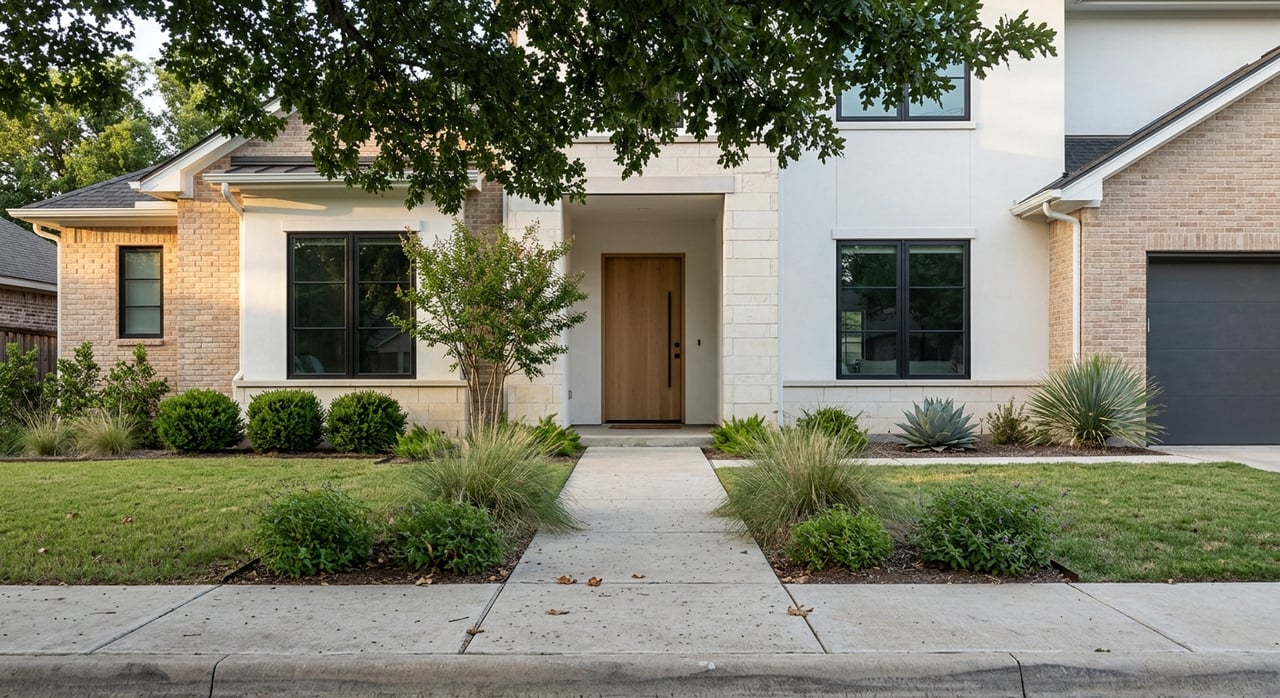
While single-story homes are common, Westover Hills is not limited to one-level properties. Recent listings also include two-story homes, giving buyers another option if they want more separation between living and sleeping areas.
A two-story plan may appeal to you if you want a more segmented layout or need extra space without relying on a major addition. In an established neighborhood, that can be a practical alternative to taking on a larger renovation project.
Duplexes and attached housing
Westover Hills is not exclusively a detached single-family market. Duplex properties also appear in the neighborhood inventory, including examples on corner lots with separate street frontage.
If you are an investor, a buyer seeking flexibility, or someone comparing different property types in Northwest Austin, this is worth knowing. The neighborhood includes more variety than the streetscape alone may suggest during a quick drive-through.
Lot Types You Will See Most Often
Lot type can shape your experience just as much as the house itself. In Westover Hills, recent examples commonly fall around a quarter-acre to one-third-acre, including lots of about 0.26, 0.27, 0.30, and 0.333 acres.
That size range often gives you meaningful outdoor space, but it does not guarantee a simple site. In this neighborhood, topography, trees, privacy, and lot placement all deserve close attention.
Standard interior lots
Many homes sit on traditional interior lots within established residential streets. These can offer a familiar setup with front and back yard space, mature landscaping, and a classic neighborhood feel.
When touring, pay attention to how the lot actually lives. A generous lot on paper may feel more compact in person if tree placement, slope, or setbacks limit usable yard area.
Corner lots
Corner lots are part of the local mix and can create a very different feel from an interior lot. You may gain more visual openness, different access patterns, or added street presence.
At the same time, corner lots can come with tradeoffs. Yard layout, fencing options, and future project planning may look different depending on where streets, sidewalks, and trees sit on the site.
Cul-de-sac lots
Cul-de-sac settings also show up in Westover Hills. These lots can feel tucked away and may have distinct shapes that affect backyard use, driveway layout, or addition potential.
If you are comparing homes on a cul-de-sac versus a more rectangular lot, look closely at the buildable area rather than just total lot size. Irregular lot lines can influence what is realistic later.
Tree-covered lots
Mature trees are one of the neighborhood’s strongest visual features. Listing descriptions repeatedly mention tree-lined streets, mature oaks, and shaded yards, which help define the established feel of Westover Hills.
For many buyers, that canopy is a major draw. It can also affect everything from natural light inside the home to outdoor design plans and future renovation options.
Why Trees Matter for Your Plans
In a mature Austin neighborhood, trees are not just a landscaping detail. The City of Austin says tree review is required when 19-inch-or-greater trees are on or adjacent to a property, and impacts to regulated trees can require permits.
If you are considering an addition, a reworked driveway, or a major backyard project, tree constraints may become part of the planning process. The city also directs owners to use the Property Profile tool and Residential Plan Review when evaluating site changes.
This is one reason two similar homes can have very different renovation paths. In Westover Hills, the lot is often a key part of the value story, but it can also be a key part of the limitation story.
Renovation Potential in Westover Hills
Westover Hills stands out as a renovation neighborhood. Recent examples include original homes, lightly updated properties, and extensive remodels, sometimes all within the same section of the neighborhood.
That variety can be a real opportunity for you. Whether you want a move-in-ready home, a house with room for future improvements, or a true project, the neighborhood appears to offer multiple entry points.
Homes with original character
Some properties still present as close to their original form, which can appeal to buyers who want to preserve mid-century style or make updates over time. These homes may offer a chance to personalize the space without paying for someone else’s design choices.
If that is your goal, focus on the home’s structure, site, and floor plan logic. Cosmetic updates are easier to change than lot constraints or awkward expansion options.
Updated and reconfigured homes
Other homes have already been reworked for modern living. Recent examples include open living, dining, and kitchen spaces, along with additions like a second primary suite.
For buyers who want the character of an established neighborhood without managing a major renovation, these homes can be especially attractive. You get the benefits of the original setting with a floor plan that may better match current expectations.
Blank-canvas opportunities
Some homes are marketed more as a blank canvas than a finished product. In Westover Hills, that can be appealing because established lots and mature canopy are part of the neighborhood’s long-term draw.
Still, potential is not the same as permission. Before you assume a property can support a major addition or redesign, it is smart to review lot conditions, tree issues, and any applicable deed restrictions.
Can You Add an ADU?
This question comes up often in Austin, and Westover Hills is no exception. The City of Austin says an ADU may be possible on SF-1, SF-2, or SF-3 lots that are at least 5,750 square feet.
Many sample lot sizes in Westover Hills appear large enough to clear that size threshold. But lot size alone does not decide the outcome.
The city also requires property-specific review for zoning, deed restrictions, setbacks, impervious cover, and tree impacts. If an ADU is part of your long-term plan, you should evaluate each property individually rather than assuming every larger lot can support one.
What Drives Value Here
In Westover Hills, long-term value appears tied less to speculative teardown activity and more to what is already hard to recreate. Established lots, mature canopy, and a well-located Northwest Austin setting all contribute to the neighborhood’s appeal.
Current listings also point to convenient access to major northwest Austin destinations such as the Arboretum and the Domain. Nearby recreational amenities, including tennis and swimming at Westover Hills Club, add to the area’s lifestyle appeal, even though club access is separate from homeownership.
For you as a buyer or seller, this means the story is often about site quality and setting as much as square footage. A well-positioned lot with strong trees, privacy, and a functional floor plan may stand out for reasons that do not always show up in a simple online search filter.
What to Notice When Touring
When you walk through homes in Westover Hills, try to evaluate the house and lot together. In an established neighborhood, the land can shape your future choices just as much as the interior finishes.
A smart touring checklist includes:
- Whether the home is single-story, expanded, or two-story
- How the lot shape affects backyard use
- Whether the property sits on a corner lot or cul-de-sac
- How much tree canopy affects light, shade, and project flexibility
- Whether outdoor space feels usable, not just large on paper
- Whether updates appear cosmetic or tied to bigger functional improvements
- Whether deed restrictions or other property-specific rules may apply
That kind of close read can help you avoid surprises later. It can also help you compare homes more accurately when the neighborhood offers similar ages, but very different site conditions.
If you want help evaluating Westover Hills homes with both lifestyle and resale in mind, working with a detail-focused local advisor can make the process much clearer. The team at Karin Howard can help you assess layout, lot conditions, renovation potential, and property-specific factors so you can move forward with confidence.
FAQs
What home styles are common in Westover Hills?
- Westover Hills is known largely for late-1960s to early-1970s homes, especially mid-century ranch properties, along with some expanded one-story homes, two-story houses, and duplexes.
Are most Westover Hills homes single-story?
- Single-story homes are common in Westover Hills, but the neighborhood also includes two-story homes and expanded layouts that create more variety than many buyers first expect.
What lot sizes are typical in Westover Hills?
- Recent examples commonly fall around a quarter-acre to one-third-acre, including lots around 0.26, 0.27, 0.30, and 0.333 acres.
Do Westover Hills homes usually have an HOA?
- Westover Hills is associated with a civic association rather than a single neighborhood-wide HOA, and many homes in the area are not part of an HOA, though some subdivisions may have their own restrictions.
Can you build an ADU on a Westover Hills lot?
- An ADU may be possible on qualifying Austin lots, but in Westover Hills you still need property-specific review for zoning, deed restrictions, setbacks, impervious cover, and tree impacts.
Why are trees such an important factor in Westover Hills?
- Mature trees are a big part of the neighborhood’s character, and Austin rules can require tree review and permits when regulated trees are affected by additions or other site changes.