If you are looking for a suburb where everyday life can keep up with a growing household, Leander is worth a close look. This fast-changing city gives you a blend of neighborhood parks, city programs, commuting options, and a housing mix that supports different stages of life. Whether you are moving across the Austin area or relocating from farther away, understanding the day-to-day rhythm can help you decide if Leander fits your goals. Let’s dive in.
Leander Is Growing Fast
Leander is not standing still. The city’s population reached an estimated 87,511 in July 2024, which was up 47.8% from April 2020.
That kind of growth shapes daily life in real ways. It means you are looking at a city that is still adding infrastructure, refining transportation plans, and expanding how people live, work, and spend time close to home.
The numbers also show why Leander often comes up in conversations about households looking for more space. In the Census Bureau’s 2019 to 2023 profile, 28.1% of residents were under 18, the average household size was 2.88, and 75.6% of housing units were owner-occupied.
For you, that can translate into a community where homeownership is common and household-focused routines are part of the local pattern. It does not mean every area feels the same, but it does help explain why parks, civic spaces, and transportation planning matter so much here.
Daily Life Centers on Parks and Programs
One of the clearest signs of everyday family life in Leander is the city’s park system. Leander Parks & Recreation manages about 400 acres of parkland across 14 city-owned parks, along with a public library and a public golf course.
That matters because recreation here is not tied to just one major attraction. Instead, daily life is supported by a network of public spaces that can fit after-school stops, weekend outings, and low-key time outside.
Robin Bledsoe Park Offers All-in-One Fun
Robin Bledsoe Park is one of the city’s best-known community spaces. The 16-acre park includes lighted multipurpose synthetic turf fields, a playscape, a swimming pool, a splash pad, a pavilion, a basketball court, an amphitheater, and a walking trail.
If your schedule is packed, a park like this can make life simpler. You can picture a quick playground visit, a summer splash pad stop, or an evening walk without having to drive all over town.
Devine Lake Park Feels Relaxed and Scenic
Devine Lake Park offers a different pace. It includes a group pavilion, picnic area, playscape, trails, BBQ grill, fishing lake, and restrooms, and it is open daily from 8 a.m. to 9 p.m.
For many households, that kind of space adds flexibility. You can keep things simple with a picnic, a walk, or time by the water when you want something easy and outdoors.
Benbrook Ranch Park Adds Active Options
Benbrook Ranch Park spans 46.5 acres and includes baseball fields, batting cages, hike-and-bike trails, a skate park, a disc golf course, a playscape, and picnic facilities.
This wider mix of amenities can help when different members of your household want different things. One person may want trails, another may want the skate park, and someone else may just want space to spread out.
Horizon Lake Park Expands Weekend Choices
Horizon Lake Park covers 65.7 acres and features a stocked fishing lake, fishing pier, canoe and kayak launch, pavilion, playground, grills, and paved walking trails.
That gives you another option for outdoor downtime without leaving the city. If your ideal weekend includes walking, paddling, or sitting by the water, Leander offers that kind of local access.
City Services Support Everyday Routines
For growing households, convenience is not just about parks. It is also about the public services you actually use during the week.
Leander’s library and activity center help fill that role. These places can become part of your normal routine, especially when you want affordable, local options for learning, recreation, and seasonal programming.
The Activity Center Brings Variety
The Leander Activity Center is a 14,400-square-foot multi-use space that hosts camps and workshops such as Lego Camp, Kinderdance, yoga, Zumba, active adult luncheons, and cooking classes.
That range says a lot about the city’s everyday setup. Instead of relying only on private venues, Leander offers city-run programming that can support different ages and interests.
The Library Adds a Steady Rhythm
The Leander Public Library offers collections, digital resources, and programming. Its reading programs include 1,000 Books Before Kindergarten and a summer reading program for all ages.
The library’s seasonal reading challenges and hands-on activities add another layer to daily life. If you value places that encourage learning and give you recurring local events, this is part of what makes Leander feel lived-in rather than just newly built.
Commuting in Leander Is More Flexible Than You Might Expect
Many buyers want suburban space without giving up too much access to Austin. In Leander, commuting is not just about getting on one road and hoping for the best.
The city has a mix of rail, park-and-ride, arterial roads, and ongoing transportation projects. That gives you more than one way to think about getting around.
MetroRail Connects Leander to Austin
Leander Station is the northernmost stop of CapMetro’s MetroRail Red Line. The city describes the Red Line as a 32-mile route with eight stops to downtown Austin, plus free onboard Wi-Fi.
Capital Metro also provides commuter bus service from Leander Station and an on-demand Pickup Leander service within the city. There is also park-and-ride access near U.S. 183 and Metro Drive.
If you are trying to balance suburban living with work or regular trips into Austin, that mix can be useful. It gives you options beyond driving every trip.
Roads Still Play a Big Role
Leander’s road network is anchored by U.S. 183, 183A Toll, and Ronald Reagan Boulevard. According to the city, U.S. 183 provides direct access to downtown Austin, 183A Toll spans 11 miles from FM 620 through Cedar Park and Leander, and Ronald Reagan Boulevard adds north-south capacity on the east side of town.
The average travel time to work was 30.0 minutes in the Census Bureau’s 2019 to 2023 profile. Your own commute will depend on where you live and where you need to go, but the broader picture is clear: transportation planning is a major part of Leander’s growth story.
Transportation Projects Reflect a Changing City
Leander is also actively improving how people move through the city. The US 183 Corridor Study, approved in January 2025, focuses on transit connectivity, multimodal safety, shared-use paths, enhanced railroad crossings, new parks, and placemaking.
Current transportation projects include the San Gabriel Parkway extension, Bagdad Road improvements, and widened streets with sidewalks and bicycle lanes on Raider Way and Woodview Drive. For you, that suggests a city still investing in how daily life works on the ground.
Housing Choices Fit Different Stages of Life
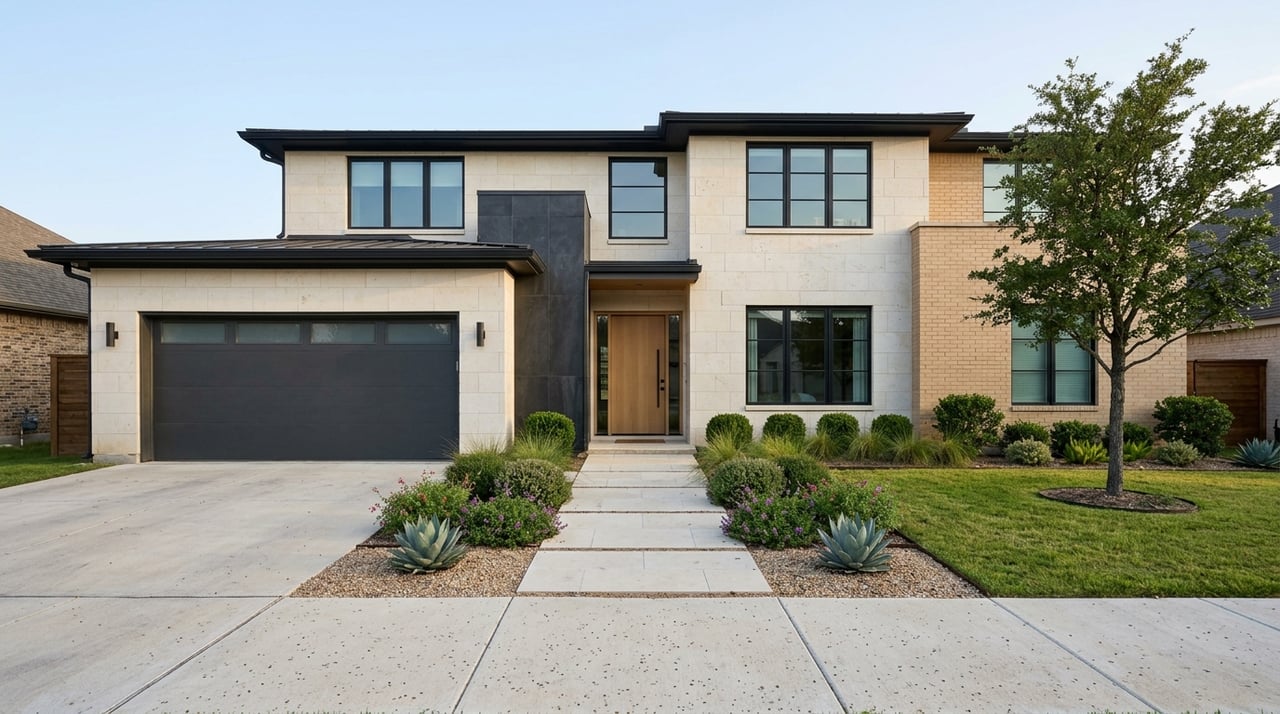
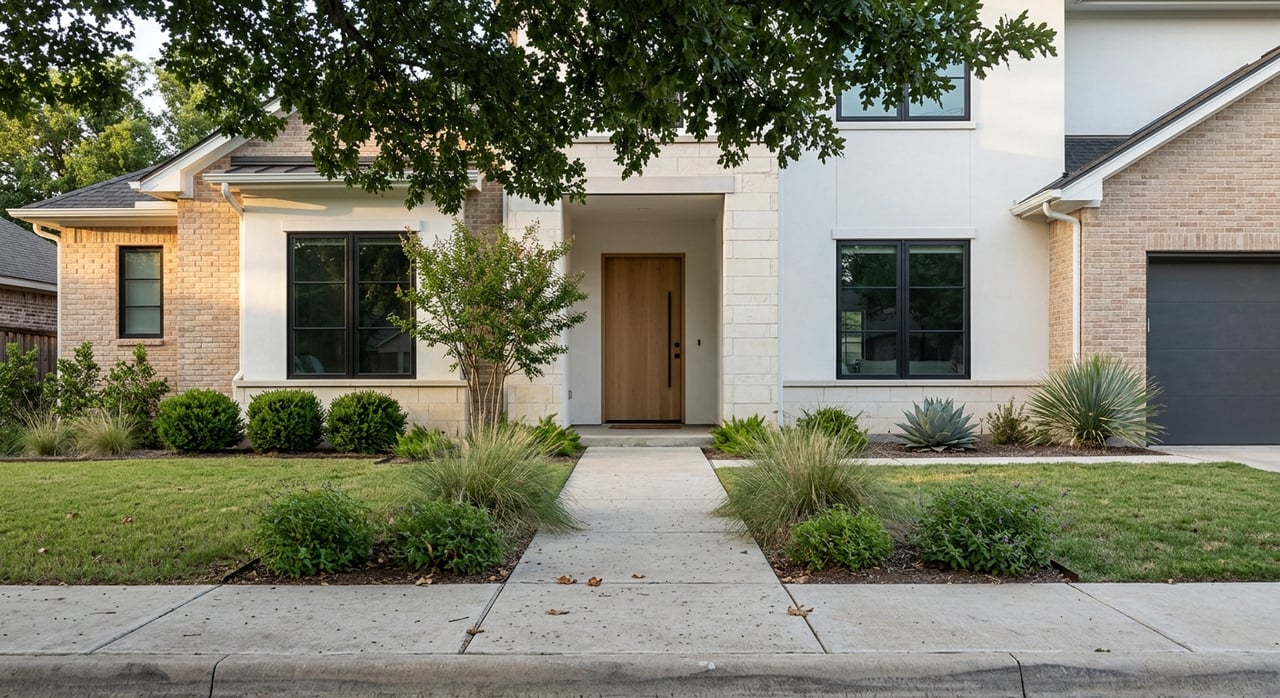
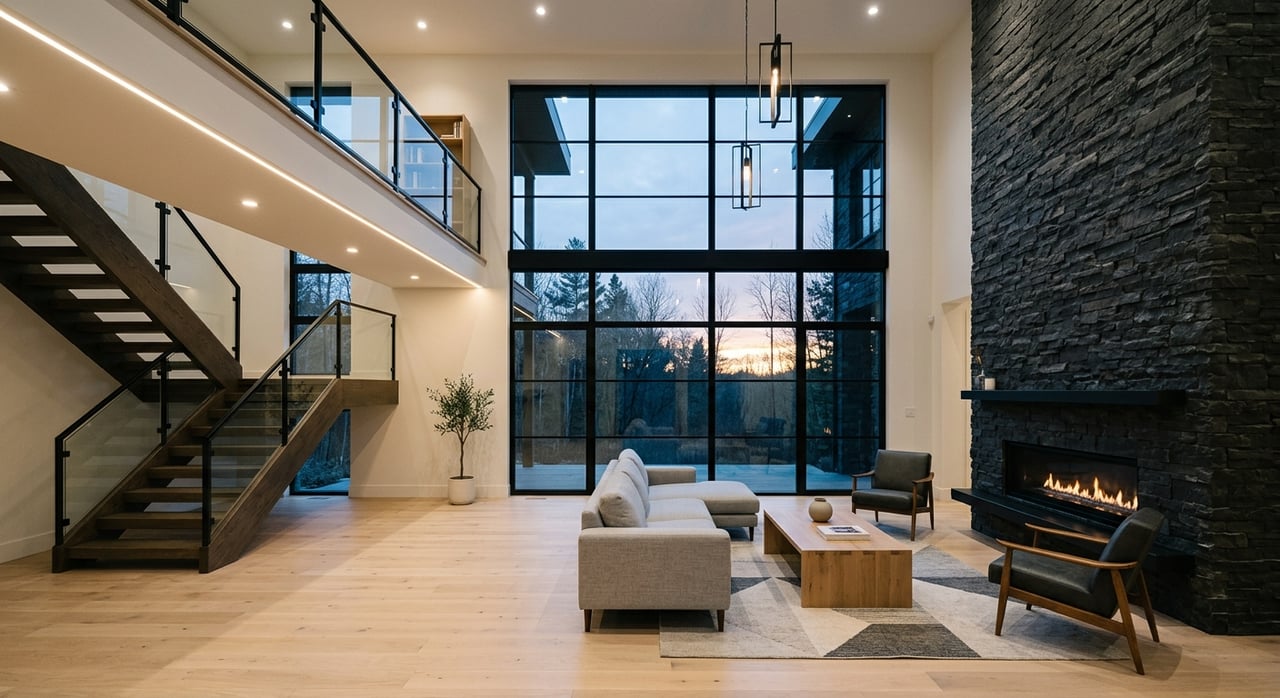
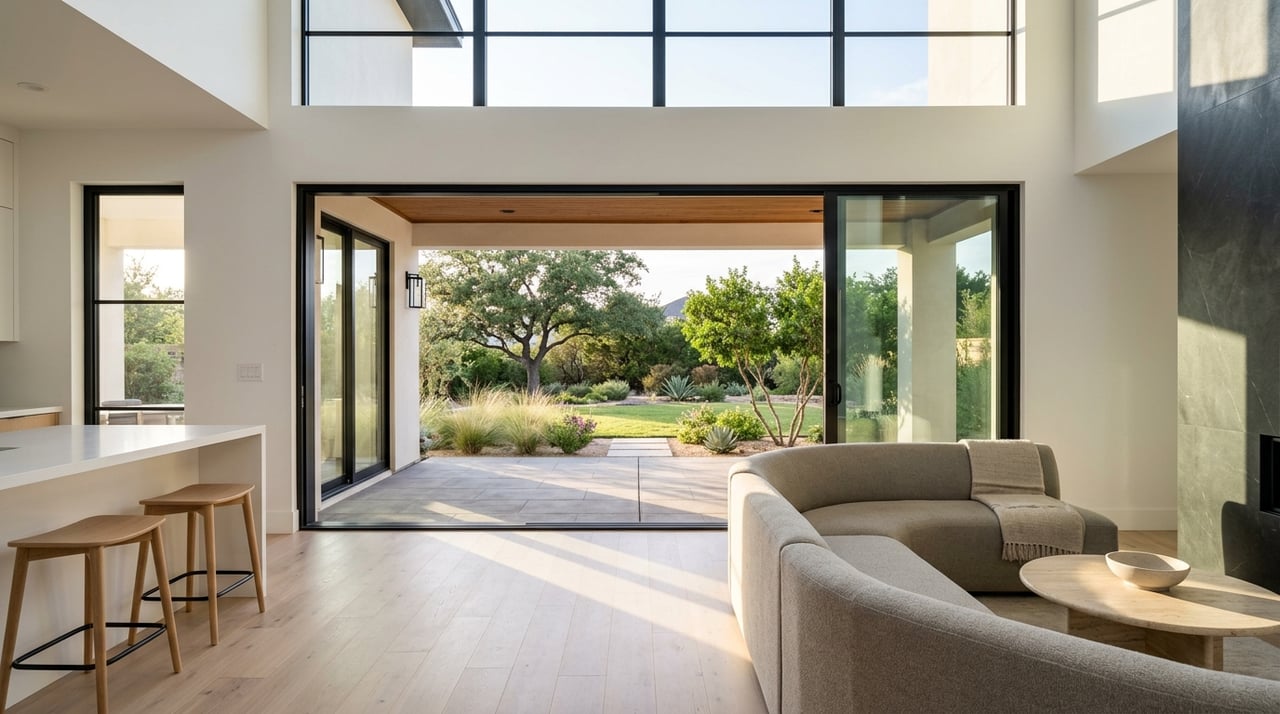
Leander’s housing options are broader than many people expect. The city says you can find single-family homes, large estates, townhomes, condominiums, multifamily properties, and assisted living centers.
That variety matters if you are thinking not just about where you are today, but where you may be in a few years. Some buyers want room to grow now, while others want flexibility as needs change.
A Suburban Feel With Evolving Centers
City planning documents show that Leander is working to protect single-family neighborhoods while concentrating mixed-use activity centers at major transportation intersections. The city is also planning pedestrian and bicycle corridors and continues to study updates to Old Town.
In practical terms, that points to a place that still feels suburban in many areas but is also working toward a more connected core. If you like the idea of established neighborhood living with an evolving downtown area, Leander fits that pattern.
Costs Matter in the Decision
Housing cost is part of everyday life too. In the Census Bureau’s 2019 to 2023 profile, the median owner-occupied home value was $470,700 and median gross rent was $1,865.
Those numbers are useful as a baseline when you compare Leander with other Austin-area suburbs. They do not tell the whole story of every property type or neighborhood, but they help frame what your monthly budget may need to support.
Local Events Help Build a Weekly Rhythm
A city can have homes and roads, but it is the recurring events that often make it feel personal. Leander’s Parks & Recreation calendar includes family-oriented events throughout the year, including Liberty Fest, Dive-In Movie Nights, Bluegrass & Folk Festival, Dog Days of Summer, Tricks and Treats Spooktacular, Fall Family Campout, Old Town Christmas Festival, Polar Bear Plunge, and the Kite Festival.
The library adds to that rhythm with reading challenges, summer programming, performances, and hands-on activities. For you, that can mean your calendar fills up with nearby options instead of always needing to head into Austin for something to do.
What Leander Lifestyle Really Feels Like
When you step back, Leander’s appeal is not about one single feature. It is about how several practical pieces work together: strong park access, public programming, multiple commuting choices, and a housing mix in a city that is still actively growing.
If you are raising a household, planning a move-up purchase, or relocating to the Austin area and want more space with everyday convenience, Leander offers a lifestyle that feels suburban, active, and still in progress. That “still in progress” part can be especially important, because it means you are buying into a city that continues to shape its future.
If you want help comparing Leander with other Austin-area suburbs, planning a move from out of town, or finding the right fit for your next chapter, Karin Howard can help you make a clear, confident plan.
FAQs
What is everyday life like in Leander, Texas for growing households?
- Everyday life in Leander often centers on neighborhood parks, city-run programs, library events, and commuting options that include rail, roads, and park-and-ride access.
What parks are popular in Leander, Texas?
- Notable city parks include Robin Bledsoe Park, Devine Lake Park, Benbrook Ranch Park, and Horizon Lake Park, each offering different amenities such as trails, playgrounds, sports areas, fishing, and picnic spaces.
What commuting options are available in Leander, Texas?
- Leander offers access to CapMetro’s MetroRail Red Line at Leander Station, commuter bus service, on-demand Pickup Leander service, park-and-ride parking, and major road connections like U.S. 183, 183A Toll, and Ronald Reagan Boulevard.
What kinds of homes can you find in Leander, Texas?
- According to the city, Leander includes single-family homes, large estates, townhomes, condominiums, multifamily properties, and assisted living centers.
Is Leander, Texas still growing?
- Yes. Leander’s population was estimated at 87,511 in July 2024, up 47.8% from April 2020, and the city is continuing to update planning and transportation efforts as growth continues.